
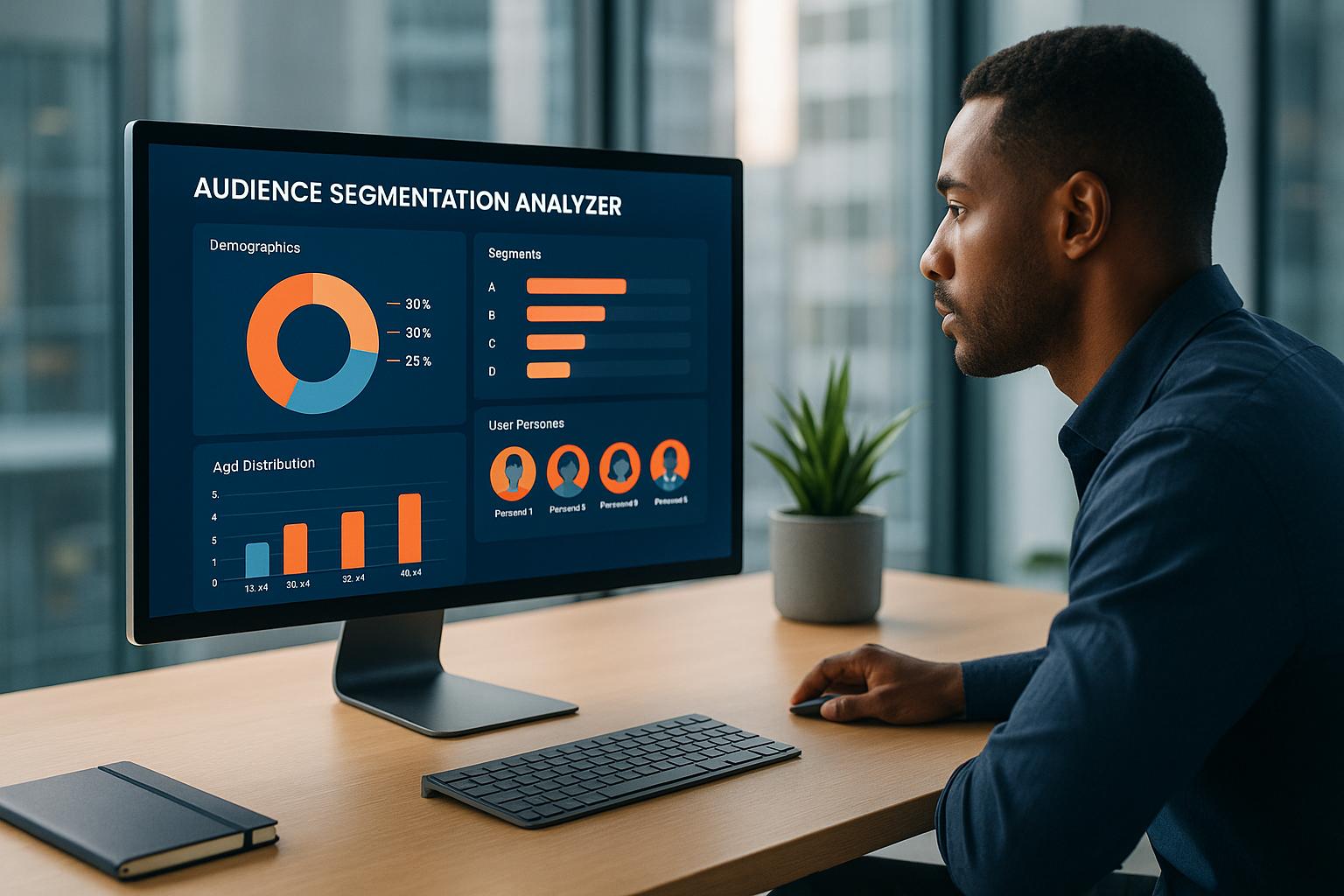
Unlock Smarter Marketing with Audience Segmentation
In today’s crowded digital landscape, reaching the right people with the right message is tougher than ever. That’s where tools for dividing your customer base into meaningful groups come in handy. By understanding the unique traits of different audience clusters, marketers can craft campaigns that feel personal and drive real results.
Why Segmenting Your Audience Matters
Blanket marketing strategies often fall flat because they ignore the diversity within your customer pool. Some folks might be drawn to discounts, while others care more about product quality or brand values. A tool that analyzes data points like age, location, or past purchases helps you spot these differences. You’re not just shouting into the void—you’re speaking directly to small, distinct groups with tailored content.
Benefits Beyond the Basics
Beyond sharper targeting, this approach saves time and budget by focusing on what works for each segment. Imagine knowing exactly which channels resonate with a specific demographic before you spend a dime. Plus, the insights you gain can shape product development or customer service tweaks. If you’re ready to move past generic outreach, diving into customer segmentation is the way to go. It’s about working smarter, not harder, to build connections that last.
FAQs
What kind of data do I need to use this tool effectively?
You’ll need basic info about your audience, like age ranges, geographic locations, purchase history, or online behavior. The more details you provide, the sharper the segments will be. If you’ve got this in a spreadsheet, just upload it as a CSV, or you can enter it manually if it’s a smaller dataset. Think of it like giving us a puzzle—the more pieces, the clearer the picture!
How does the tool decide on audience segments?
Our Audience Segmentation Analyzer uses a mix of predefined rules and clustering techniques to group similar individuals based on shared traits. For example, it might cluster people by location and buying habits if those overlap significantly. It’s not just random—it looks for patterns that make sense for marketing, so you end up with actionable groups rather than vague categories.
Can I customize the segments or recommendations?
Right now, the tool generates segments based on the data patterns it detects, so customization isn’t built in. But the output report gives you plenty of flexibility to tweak your approach. You’ll get insights and messaging ideas for each group, which you can adapt based on your brand’s voice or campaign goals. We’re working on adding more customization options down the line!